
The critical unsafe action is simple:
The operator turns or accelerates before the forks have returned to a low travel position.
This habit is especially dangerous in three conditions:
1. The forklift is carrying a heavy load. A heavier load increases the effect of any sudden steering or uneven movement.
2. The forks are still raised. A raised load moves the center of gravity upward and reduces lateral stability.
3. The operator turns quickly. Fast steering can cause the forklift and load to become unstable in a very short time.
When these factors happen together, the forklift may lose balance suddenly. If the operator reacts by jumping from the cab, the risk of serious injury increases because the driver may be struck, pinned, or crushed by the overturning vehicle.
After placing a load at height, some drivers start turning before the forks are fully lowered. This often happens when the operator wants to leave the rack area quickly and move to the next task.
A safer procedure is to lower the forks first, straighten the forklift, move out slowly, and then turn.
After picking a pallet from a rack, some operators turn or accelerate before the load is lowered. This combines a raised center of gravity with steering force and forward movement, which increases rollover risk.
The correct sequence should always prioritize stability before speed.
A simple and practical rule is:
Do not turn or accelerate until the forks have been lowered to a safe travel height.
For daily operations, the procedure can be standardized as follows:
1. Lower the forks. Bring the load down to a safe travel height before leaving the working position.This sequence is easy to understand, easy to train, and easy to check during routine safety inspections.
Many forklift safety checks focus on overloading, speeding, parking, and basic equipment condition. These checks are important, but they may miss one of the most common unsafe habits: turning with raised forks.
To reduce this risk, companies can add the following inspection points:
The goal is not only to punish unsafe behavior, but to make the correct procedure part of everyday work.
New drivers are often trained to follow written procedures carefully. Experienced drivers, however, may develop shortcuts after years of repeated work.
This is why forklift safety training should not only be for beginners. Senior operators also need refreshers that focus on high-frequency accident causes, especially the small details they may underestimate.
A useful training message is:
Skill does not replace procedure. Familiarity does not remove risk.
When operators understand why raised-fork turning is dangerous, they are more likely to correct the habit before an accident occurs.
Good driving habits are the foundation of forklift safety. At the same time, site management and equipment configuration can also help reduce risk.
Depending on the working environment, companies may consider:
1.Clear aisle markings and turning zonesThese measures are most effective when combined with consistent operator training and supervision.
Forklift rollover prevention often begins with one small detail: lower the forks before turning.
For busy warehouses, factories, logistics yards, and construction material handling sites, this rule can help reduce unnecessary side tip-over risks. Experienced operators may know the equipment well, but safe operation still depends on disciplined procedures.
Before the forklift turns, the load should be low, the vehicle should be stable, and the operator should be in full control.
If your operation needs reliable forklifts for warehouse, industrial, or outdoor material handling, HITOP Forklift provides a wide range of electric forklifts, diesel forklifts, LPG forklifts, telehandlers, warehouse vehicles, and forklift attachments for different working conditions.
Contact HITOP Forklift to discuss the right forklift solution for your operation.
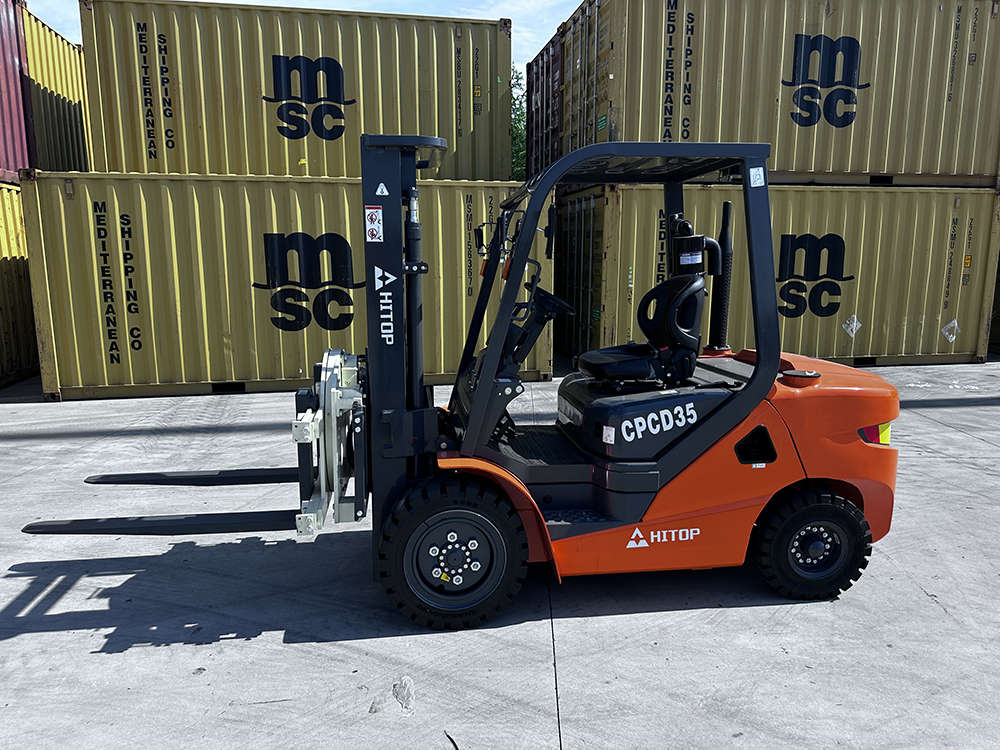 What to Check When Your New Forklift Arrives
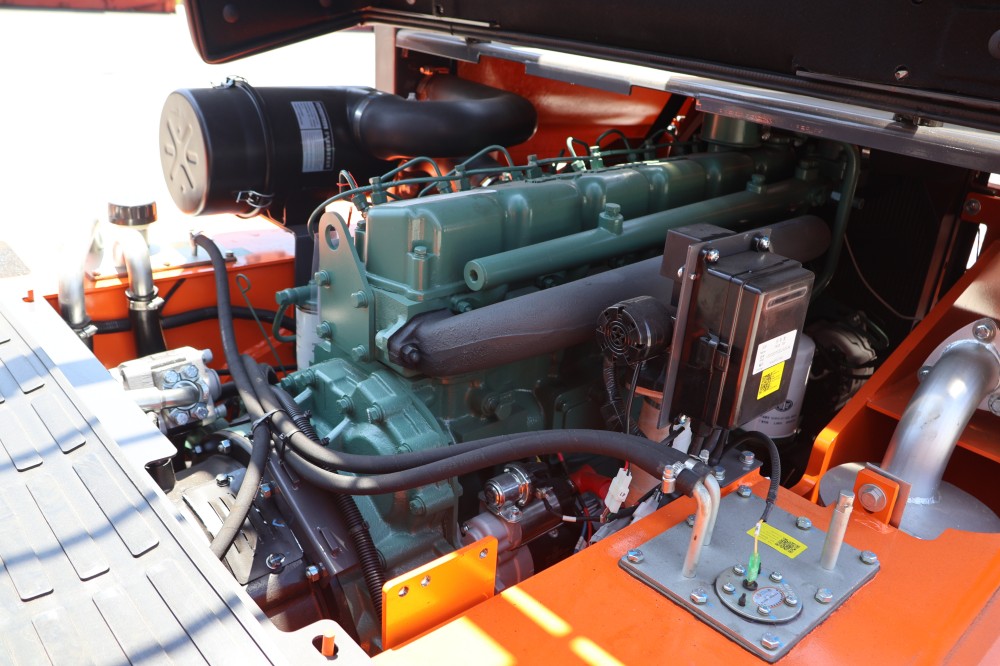 250-Hour Forklift Maintenance: What to Check After the Second Service Interval
 First 50-Hour Forklift Maintenance: What Should Be Checked After Initial Use


