Welcome to HITOP FORKLIFT
EN

Language

Language
Save
icon Inquiry cart ( 0 )
News & Events

250-Hour Forklift Maintenance: What to Check After the Second Service Interval

Views : 180
Update time : 2026-08-24 14:51:07
250-hour forklift maintenance interval. By this stage, the forklift has moved beyond the initial running-in period and has started regular daily work. Small problems that were not obvious in the first few weeks may begin to show through noise, looseness, leakage, wear, or changes in braking and steering feel.
 

A proper 250-hour service is not just an oil change. It is a structured inspection of the forklift's operating condition, lubrication points, mast and chain system, transmission components, brake system, tire condition, and key fasteners. For electric forklifts, it is also the right time to inspect and clean the battery, electrolyte, connectors, and electrical controls.
 

This guide summarizes the main items that should be checked during a 250-hour forklift maintenance service.
 

Why the 250-Hour Forklift Service Matters


The 250-hour interval helps confirm that the forklift is settling into stable operation after the early break-in stage. It gives the service team a chance to:
Find loose bolts, abnormal wear, or early leakage before they become larger failures
Replace fluids and filters that have collected early contaminants
Confirm that steering, braking, lifting, and tilting functions remain smooth and predictable
Check the mast, rollers, chains, forks, and load-handling parts under real operating conditions
Keep the cooling, lubrication, fuel, and hydraulic systems clean
For warehouses, factories, yards, and rental fleets, this service interval can reduce unplanned downtime and help keep the forklift safe for daily operators.


1. Check the Operator Controls and Instruments

The service should begin with basic functional checks. Inspect whether switches, dashboard instruments, pedals, levers, and buttons work normally.

Pay attention to:
 

Ignition or power switch response
Dashboard indicator behavior
Accelerator, brake, inching, and clutch pedal response where applicable
Lift, tilt, and auxiliary control levers
Horn, lights, and warning devices

These checks may look simple, but they help identify loose connections, slow control response, or early electrical issues before deeper service work begins.
 

2. Inspect Braking, Steering, and Hydraulic Movement

A forklift must stop, steer, lift, and tilt predictably. During the 250-hour service, technicians should check braking performance, steering condition, tilt cylinder synchronization, and the general movement of hydraulic functions.

Key inspection points include:
 

Whether the service brake responds firmly and evenly
Whether the parking brake holds properly
Whether the steering wheel and steering axle move smoothly
Whether the tilt cylinders move evenly on both sides
Whether the forklift makes abnormal noise during travel, lifting, or tilting
Whether any component shows overheating during operation

If the operator has reported drifting, poor braking, heavy steering, or unusual noise, those issues should be checked carefully at this stage.
 

3. Check for Oil, Water, Air, and Fuel Leakage

Leakage is one of the most important items in any forklift maintenance checklist. At 250 hours, inspect the forklift for oil, water, air, fuel, and coolant leaks.
 

Common areas to check include:

Hydraulic hoses and fittings
Tilt cylinders and lift cylinders
Engine oil area
Transmission area
Radiator and cooling hoses
Fuel lines and filter connections
Air intake and filter housing

Even a small leak can lead to low oil level, poor hydraulic performance, overheating, contamination, or safety risks on the floor.
 

4. Lubricate Pins, Joints, and Moving Parts

Lubrication should be checked and renewed at the required points. The service table highlights the need to inspect whether grease paths are clear and whether lubrication oil or grease has been added properly.
 

Typical lubrication points include:

Steering axle joints
Mast roller areas
Chain-related moving parts
Tilt cylinder pins
Fork carriage and related hinge points
Other grease nipples and pivot points

Poor lubrication can cause noise, faster wear, uneven movement, and higher repair cost later.
 

5. Inspect Mast Rollers, Chains, and Fork Components

The mast and fork system directly affects lifting safety. During the 250-hour maintenance service, inspect the mast roller clearance and check whether the lift chain tension is normal.
 

Technicians should also check:

Fork condition and visible deformation
Load backrest condition
Fork carriage movement
Mast roller wear or abnormal clearance
Chain tension and lubrication condition
Abnormal noise during lifting or lowering

If the forklift often handles heavy loads, works on uneven ground, or uses attachments, this inspection becomes even more important.
 

6. Tighten Key Bolts and Fasteners

After regular use, vibration can loosen bolts in critical areas. The 250-hour service should include checking and tightening important fasteners.
 

Focus on:

Engine mounting bolts
Transmission mounting bolts
Electric motor mounting bolts, where applicable
Front and rear axle bolts
Wheel hub bolts
Mast and carriage-related fasteners
Other visible structural fasteners

Do not only check whether bolts are present. Check for looseness, abnormal movement, damaged threads, and signs of shifting.
 

7. Replace Oil and Filters Where Required

The 250-hour service includes more fluid and filter attention than a simple daily inspection. According to the service items, technicians may need to replace or check several filters and oils depending on the forklift type and working condition.
 

Typical work includes:

Replace transmission oil where required
Replace the transmission oil filter or clean the filter screen
Replace diesel engine oil and engine oil filter
Clean the diesel filter screen and replace the diesel paper filter element
Check, clean, or replace the air filter element when needed
Check front and rear drive axle gear oil and replace as required

Always use oil and filters that match the forklift model and working environment. Dusty sites, high-load operation, or long daily working hours may require closer attention.
 

8. Check Cooling System and Clean Surface Dirt

For internal combustion forklifts, cooling system condition is important for stable operation. The 250-hour service should include checking and cleaning the water tank, radiator, and surface dirt.
 

Check whether:

The radiator surface is blocked by dust or debris
The coolant level is normal
Cooling hoses are secure and leak-free
The engine shows signs of overheating
Airflow around the radiator is clear

Cleaning the radiator and external dirt helps prevent heat build-up, especially in dusty yards, factories, and outdoor applications.


9. Inspect the Brake System in More Detail

Beyond basic brake response, the 250-hour service should include brake-related component checks.

The service items include checking:
 

Brake master cylinder and wheel cylinders
Brake oil condition and replacement where needed
Brake drum condition
Brake shoe or brake pad wear
Brake performance under normal operation

Brake problems should never be delayed. If the brake pedal feels soft, the stopping distance increases, or one side brakes unevenly, the forklift should be inspected before returning to service.


10. Check Tire Pressure and Tire Condition

Tires affect traction, stability, braking, steering, and load handling. During the 250-hour maintenance service, check whether the tire pressure meets requirements and whether the tire condition is normal.
 

Look for:

Low or uneven tire pressure
Cuts, cracks, or abnormal wear
Loose wheel nuts
Damaged rims
Uneven tread wear

For forklifts working on rough ground, tire inspection should be treated as a regular safety item, not just a periodic task.
 

11. Electric Forklift Battery and Electrical Checks

For electric forklifts, the 250-hour service should include inspection and cleaning of the battery system.

Important items include:
 

Battery pack condition
Electrolyte level and specific gravity, where applicable
Battery surface cleanliness
Cable and connector condition
Motor carbon brush condition, if applicable
Electrical control contact points
Motor and electrical system cleanliness

Keep battery surfaces clean and dry. Loose connections, corrosion, and poor battery care can reduce performance and increase service risk.
 

250-Hour Forklift Maintenance Checklist

A practical 250-hour forklift maintenance checklist may include:

Check switches, instruments, pedals, buttons, and control levers
Inspect braking, steering, lifting, and tilting performance
Check for oil, water, air, fuel, coolant, and hydraulic leakage
Lubricate pins, joints, chains, and moving parts
Check mast roller clearance and chain tension
Inspect forks, carriage, and load backrest condition
Tighten engine, transmission, motor, axle, wheel hub, and mast fasteners
Replace or check transmission oil and filter components
Replace diesel engine oil and engine oil filter where required
Clean or replace diesel and air filter elements as needed
Clean radiator, water tank, and external dirt
Check front and rear drive axle gear oil
Inspect brake cylinders, brake oil, brake drum, and brake shoe or pad wear
Check tire pressure, tire wear, and wheel bolts
For electric forklifts, inspect battery, electrolyte, connectors, controller contact points, and motor components


Operator Feedback Is Part of the Service

The operator's daily experience should be included in the 250-hour service review. If the operator noticed unusual vibration, heavier steering, slower lifting, abnormal noise, weak braking, overheating, or oil marks on the floor, these details help the technician focus on the right areas.

A maintenance checklist is useful, but practical feedback from the person using the forklift every day is often what helps find early problems faster.

The 250-hour forklift maintenance service is a deeper check than daily maintenance and a natural follow-up after the first 50-hour service. It combines inspection, lubrication, tightening, cleaning, oil and filter replacement, brake checks, tire checks, and electric system care.

For fleet owners and operators, completing this service on time helps keep the forklift stable, safe, and ready for regular work. It also creates a good foundation for the next service intervals, including 500-hour and 1000-hour maintenance.


Related News
Read More >>
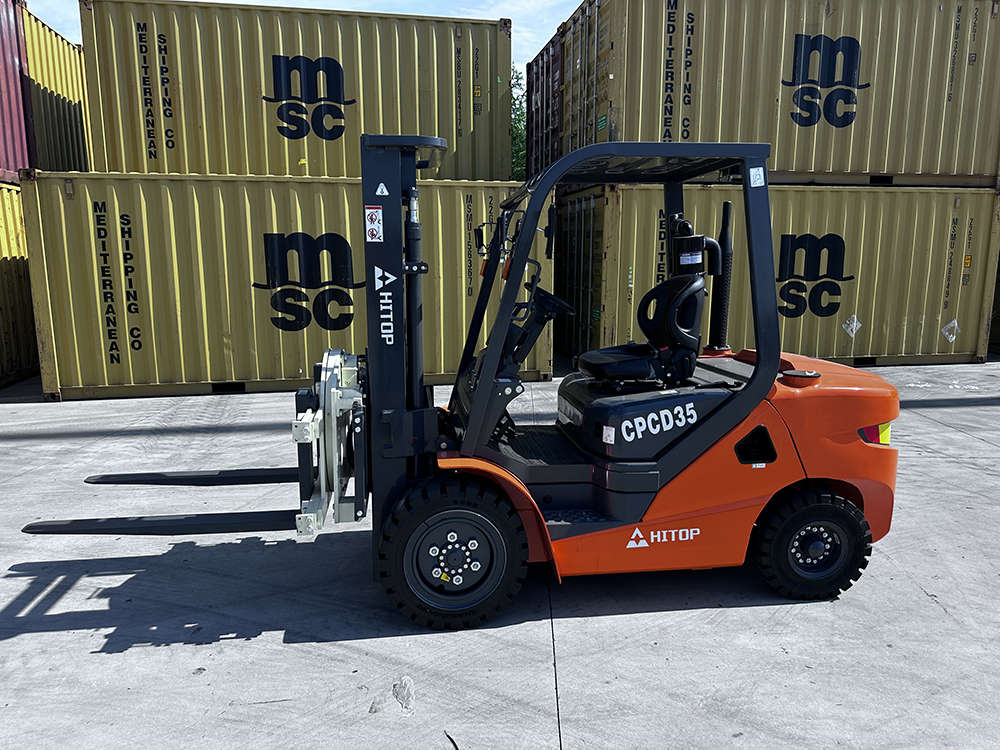
What to Check When Your New Forklift Arrives What to Check When Your New Forklift Arrives
Sep .18.2026
A new forklift should be inspected before it enters daily service. A structured handover check gives the receiving team a chance to confirm that the truck arrived in the expected condition, that its basic functions work properly, and that the required documents are available.
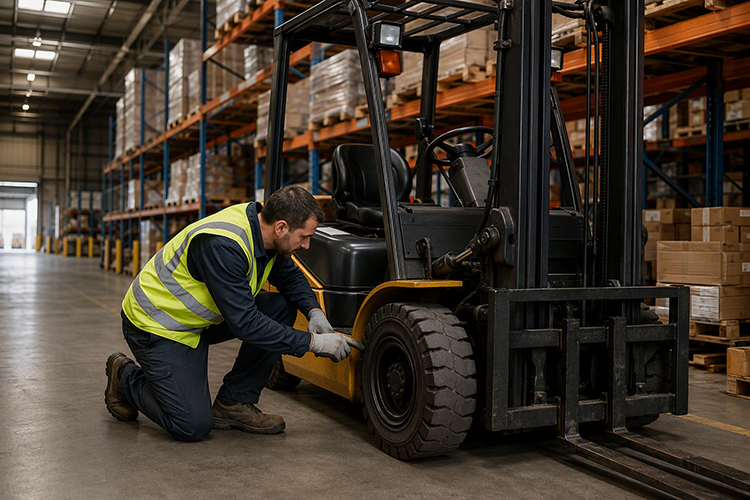
First 50-Hour Forklift Maintenance: What Should Be Checked After Initial Use First 50-Hour Forklift Maintenance: What Should Be Checked After Initial Use
Aug .20.2026
Learn why the first 50-hour forklift maintenance is important and what should be checked, adjusted, lubricated, or replaced after the initial running-in period.
Forklift Daily Maintenance Checklist: What to Inspect Before Every Shift Forklift Daily Maintenance Checklist: What to Inspect Before Every Shift
Aug .17.2026
Daily maintenance is the first step in keeping a forklift reliable. It helps operators find visible problems before the machine starts work, while scheduled service at 50 hours, 250 hours, 500 hours, and 1000 hours provides deeper inspection and maintenance.
This article focuses mainly on the daily forklift maintenance checklist. The longer service intervals are summarized briefly and can be covered in separate service guides.