
Loading heavy equipment like forklifts into shipping containers requires careful planning and execution. This step-by-step guide will show you how to safely prepare, load, and secure a forklift for international transportation, ensuring it arrives at its destination undamaged.
Measure Your Forklift:
Record the forklift's dimensions (length, width, height, and weight) to ensure container compatibility. Standard 20ft or 40ft containers typically work for most forklifts.
Prepare the Forklift:
Drain fluids to required levels (check IMO regulations)
Disconnect the battery
Lower all attachments (forks/masts)
Clean the forklift thoroughly
Gather Equipment:
Heavy-duty ratchet straps (minimum 4)
Wheel chocks
Protective corner pads
Plywood sheets (if needed for weight distribution)
Loading Process
Position the Container:
Ensure the container is on level ground with doors fully open.
Create a Ramp:
Use approved loading ramps with proper weight capacity.
Drive In Slowly:
Have an experienced operator drive the forklift straight into the container at low speed.
Center Positioning:
Place the forklift in the container's center, leaving equal space on both sides.
Securing Methods
Wheel Chocking:
Place chocks against all wheels to prevent rolling.
Strapping Down:
Use at least 4 heavy-duty ratchet straps (5,000 lb capacity minimum)
Attach to designated anchor points on the forklift frame
Secure to container wall lashing points at 45-degree angles
Additional Protection:
Use edge protectors where straps contact sharp edges
Apply protective padding between forklift and container walls
Consider partial disassembly for very large forklifts
Final Checks:
Verify all straps are tight (no more than 2 inches of movement)
Ensure no part touches container walls/ceiling
Attach warning signs if fuel is present
Take photos of secured load for documentation
Pro Tips:
For extra security, add twist locks between the forklift and container floor
Consider professional crating for high-value forklifts
Always comply with IMDG Code for international shipping
Conclusion
Proper forklift containerization protects your equipment and ensures smooth customs clearance. Following these steps will give you confidence in your international shipments. For specialized equipment, consult with freight professionals for customized solutions.
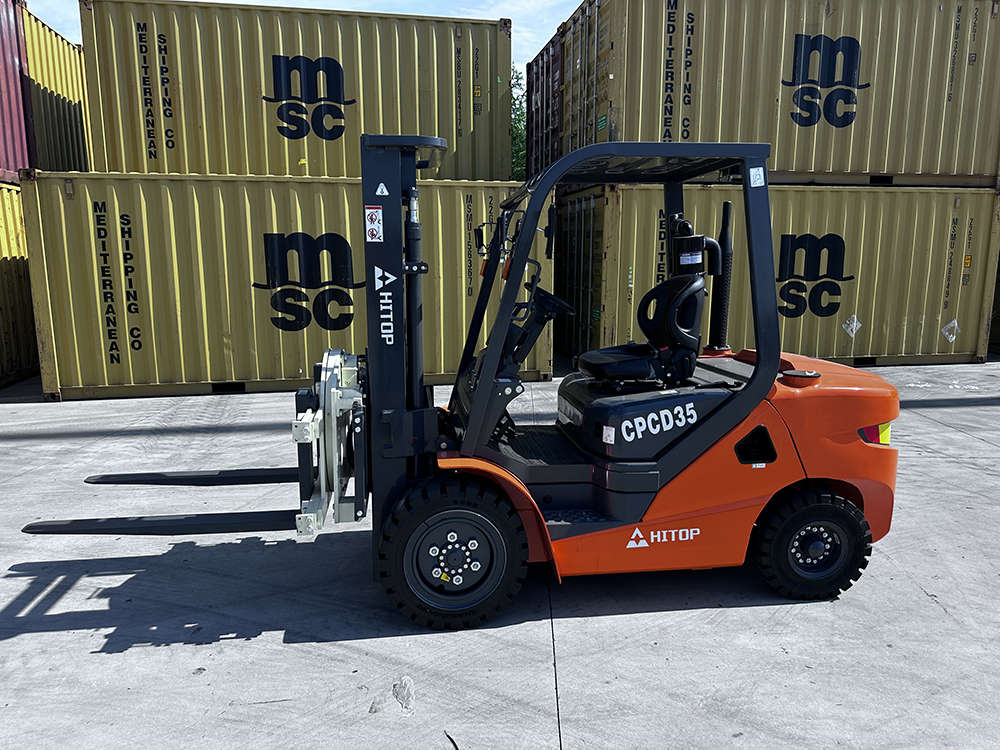 What to Check When Your New Forklift Arrives
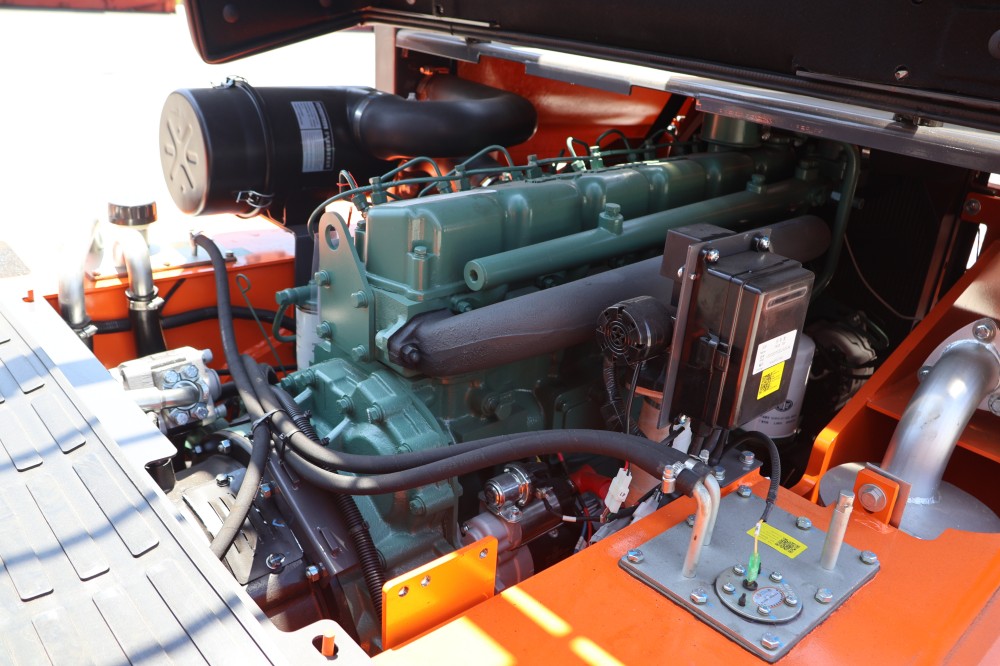 250-Hour Forklift Maintenance: What to Check After the Second Service Interval
 First 50-Hour Forklift Maintenance: What Should Be Checked After Initial Use


