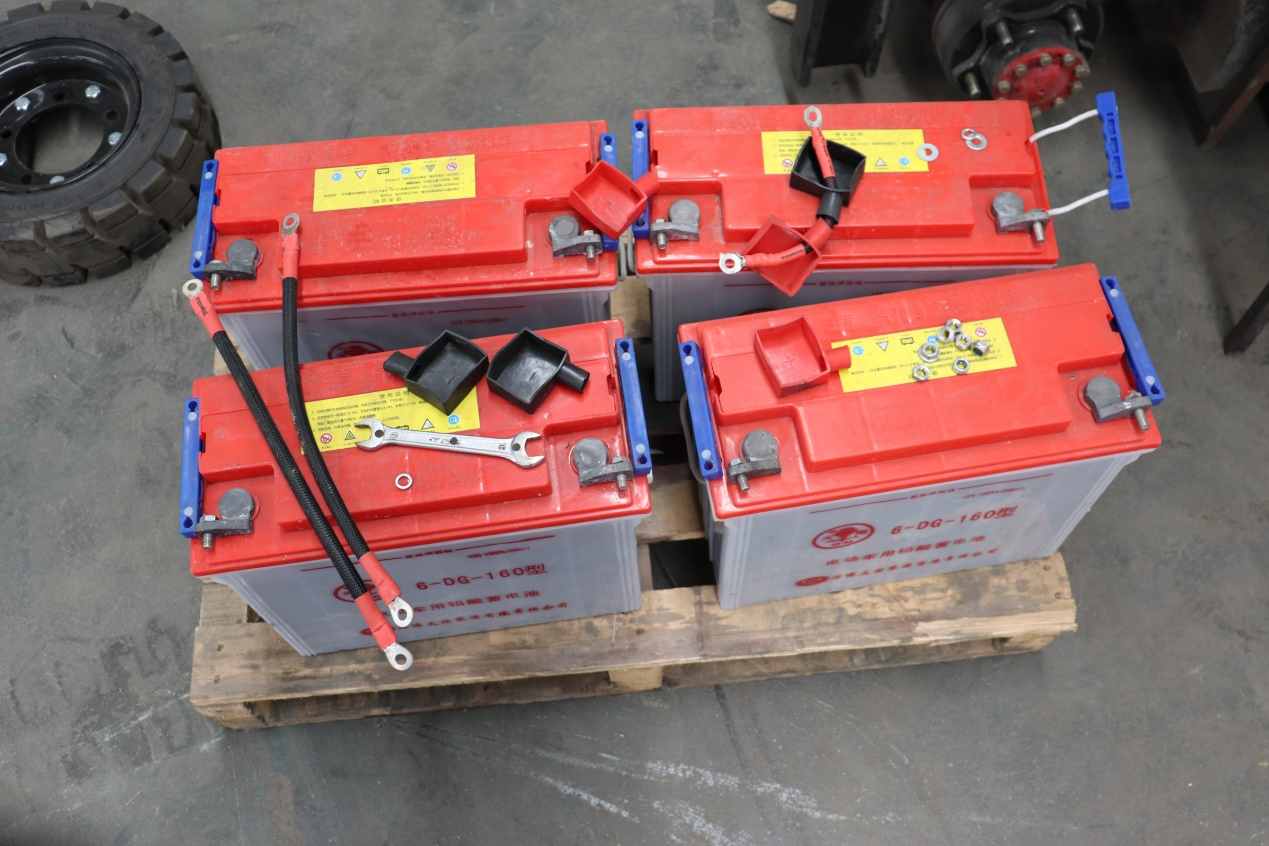
The advantages of lithium batteries for electric forklifts compared with lead-acid batteries: lithium batteries for pure electric vehicles are affected by the popularity of battery charging equipment, the limitation of cruising range, and the uncontrollability of driving areas. Because of the safe operation of electric forklifts, most of them are in residential areas of the factory. The compressive strength and natural environment are fixed during work, and the compressive strength during work is extensive and strong. Therefore, the many advantages of lithium batteries can be reflected in electric forklifts.
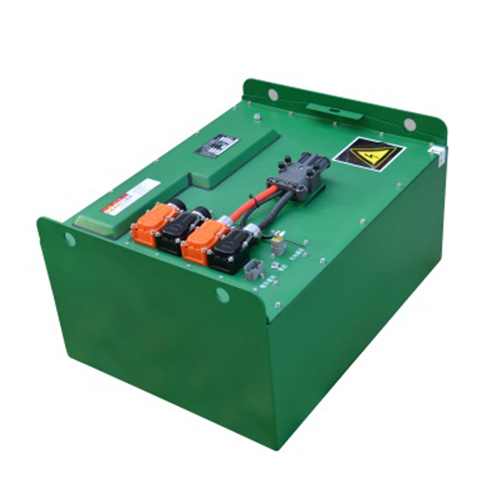
Reduce warehouse management costs
Long life: 3 times that of traditional lead-acid batteries
Cost-saving: save electricity by about 40%, reduce management costs, and save indoor space for storage of rechargeable batteries.
Maintenance-free: No need to add water, no environmental pollution such as drips and erosion.
Improve operational efficiency
Fast charging, 1-3 hours fast charging mode is suitable for multi-shift operation.
The battery can be charged and used immediately, saving the time and safety risk of replacing the battery.
Powerful power can completely replace internal combustion engine forklifts.
Technically monitor the status of electric forklifts and rechargeable batteries to improve the management capabilities of electric forklifts.
Enhance corporate image
It is more environmentally friendly, environmentally friendly, non-corrosive and lead-free.
Environmental protection, energy saving, high safety
High-tech, more advanced, represents the development direction of the industry.
Compared with traditional lead batteries, lithium batteries have unparalleled advantages. Its application in the electric forklift manufacturing industry will eventually have a strong impact on the original electric forklift sales market layout. The emergence of lithium battery electric forklifts is an inevitable trend. The rapid development of electric forklifts requires electric forklifts to have the characteristics of short charging time, long use time, stable performance, ability to withstand high-intensity operations, and high degree of automation. The emergence of lithium batteries has added a bright spot to the development of the electric forklift industry
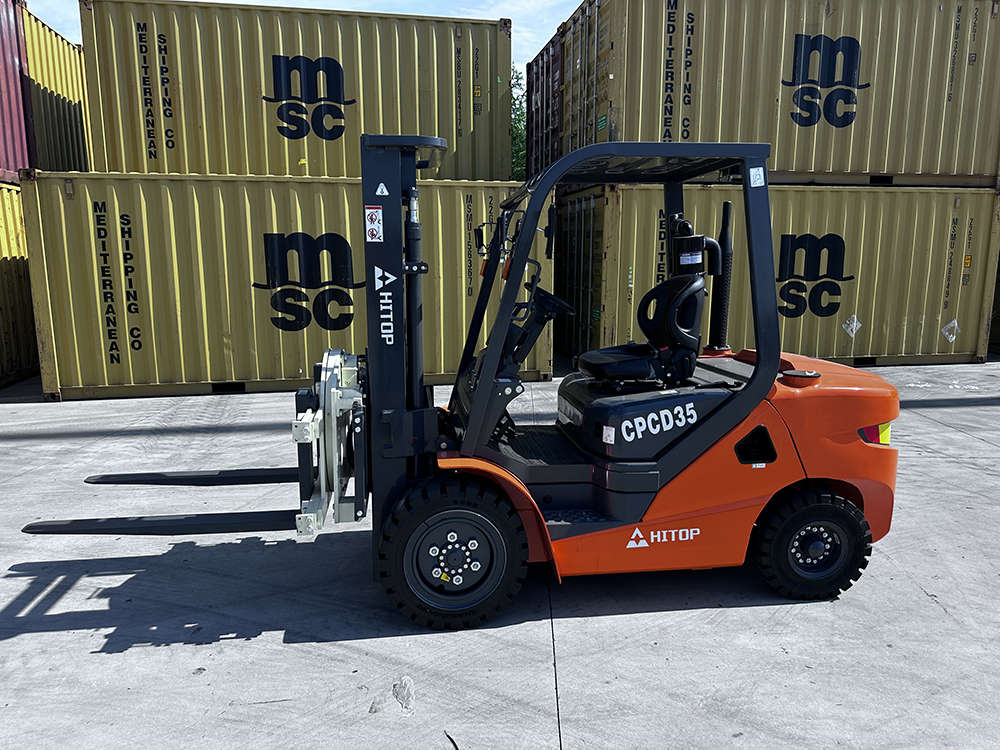 What to Check When Your New Forklift Arrives
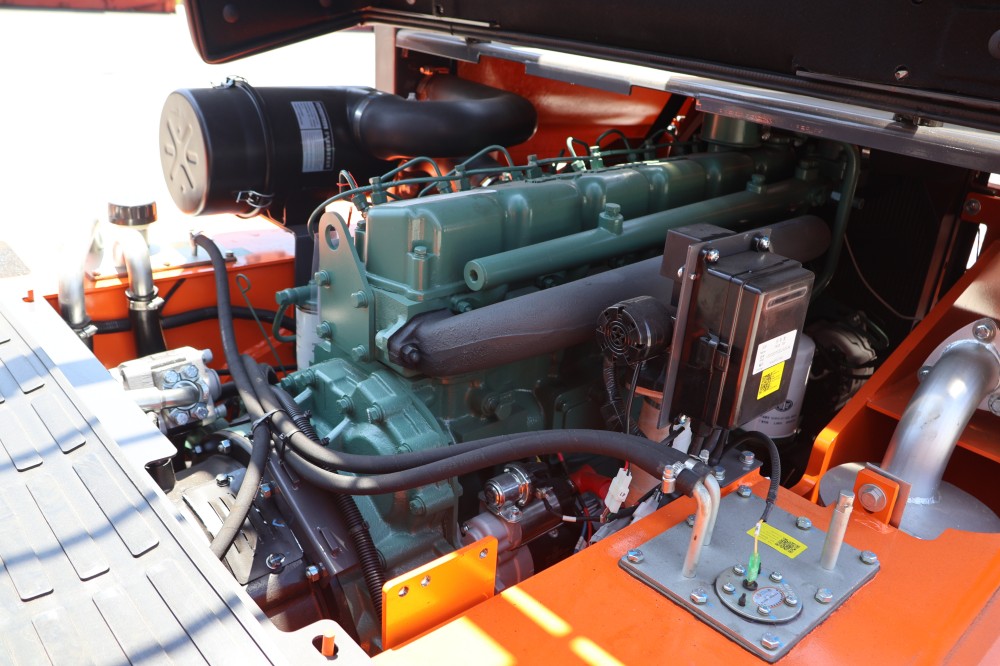 250-Hour Forklift Maintenance: What to Check After the Second Service Interval
 First 50-Hour Forklift Maintenance: What Should Be Checked After Initial Use


