Welcome to HITOP FORKLIFT
EN

Language

Language
Save
icon Inquiry cart ( 0 )
News & Events

Comparison of Electric, Diesel, and Dual-Fuel Forklifts: Advantages, Disadvantages, and Applications

Views : 1610
Update time : 2025-02-05 16:20:10
Forklifts are critical for material handling across industries, but choosing the right type—electric, diesel, or dual-fuel (e.g., LPG)—depends on operational needs, environment, and cost considerations. Below is a detailed analysis of their strengths, weaknesses, and ideal use cases.

1. Electric Forklifts
Advantages:


Zero Emissions: Electric forklifts produce no exhaust emissions, making them ideal for indoor environments like warehouses, food processing facilities, and pharmaceutical settings where air quality is critical.

Low Noise and Vibration: Their quiet operation reduces noise pollution, enhancing worker comfort in noise-sensitive areas such as retail spaces and hospitals.

Lower Operating Costs: While initial purchase prices are higher, electric models save costs long-term through reduced fuel expenses (electricity vs. diesel) and minimal maintenance (no engine oil, coolant, or exhaust systems).

Precision Maneuverability: Compact designs and tighter turning radii enable efficient operation in narrow aisles and confined spaces.

Improved Safety: Enhanced rear visibility (no obstructing fuel tanks) and reduced fire risks (no flammable fuels) contribute to safer operations.

Disadvantages:

Higher Upfront Costs: Batteries, chargers, and infrastructure (e.g., charging stations) increase initial investment.

Limited Runtime: Lead-acid batteries require 8–14 hours to recharge, though lithium-ion variants offer faster charging (1–2 hours) for multi-shift operations.

Outdoor Limitations: Most electric models are unsuitable for rugged terrain or wet conditions unless specially designed.

Ideal Applications:

Indoor Warehouses: Distribution centers, cold storage facilities, and manufacturing plants with tight aisles.

Eco-Conscious Industries: Food, pharmaceuticals, and healthcare sectors prioritizing cleanliness and sustainability.


2. Diesel Forklifts
Advantages:


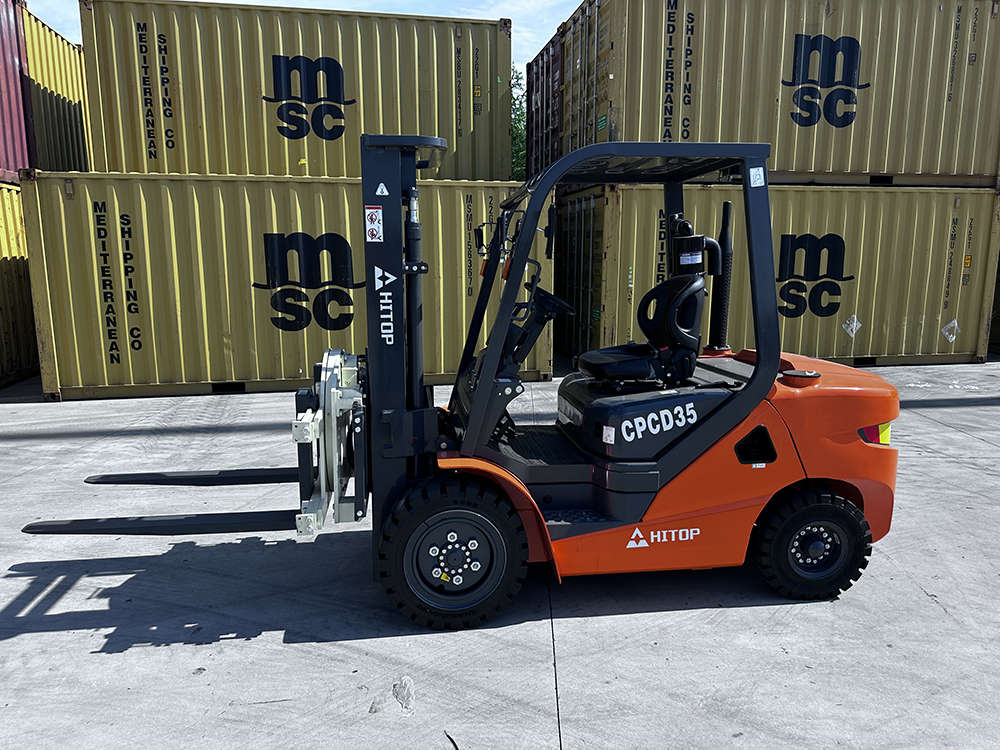
High Power and Durability: Diesel engines deliver superior torque for heavy lifting (up to 45+ tons) and excel in demanding outdoor environments like construction sites, lumber yards, and shipping docks.

Operational Flexibility: Refueling takes minutes, enabling continuous use in long shifts without downtime.

Weather Resistance: Perform reliably in rain, mud, and uneven terrain.

Disadvantages:

Environmental Impact: Emissions (CO2, NOx, particulate matter) pose health risks indoors and contribute to pollution.

High Operating Costs: Fuel prices fluctuate, and maintenance (oil changes, exhaust systems) is frequent and costly.

Noise Pollution: Loud engines disrupt indoor operations and worker comfort.

Ideal Applications:

Outdoor Heavy-Duty Tasks: Construction, mining, and large-scale logistics in open yards.

Extended Shifts: Operations requiring 24/7 uptime with minimal refueling interruptions.


3. Dual-Fuel Forklifts (LPG)
Advantages:


Fuel Flexibility: Can switch between LPG and gasoline, offering operational versatility in mixed environments.

Lower Emissions Than Diesel: LPG burns cleaner, making it marginally suitable for ventilated indoor spaces.

Consistent Power: No battery downtime; refueling takes minutes.

Disadvantages:

Moderate Emissions: Still produce CO2 and require ventilation, limiting indoor use compared to electric models.

Higher Maintenance: Engine components (e.g., fuel systems) need regular servicing.

Hazardous Fuel Handling: LPG tanks risk leaks and require careful storage.

Ideal Applications:

Mixed Indoor/Outdoor Settings: Large logistics hubs needing quick refueling and moderate lifting capacity.

Cost-Sensitive Operations: Businesses prioritizing lower upfront costs over long-term sustainability.


Why Electric Forklifts Stand Out
Electric forklifts dominate in sustainability, safety, and precision. Their zero-emission operation aligns with global green initiatives, while lower lifetime costs (despite higher initial investment) make them economically viable for indoor-centric industries. Advances in lithium-ion batteries further mitigate runtime limitations, enabling multi-shift efficiency. For businesses prioritizing worker safety, regulatory compliance, and eco-friendliness, electric models are the future-forward choice.

Conclusion
While diesel and dual-fuel forklifts remain relevant for heavy outdoor tasks, electric forklifts offer unmatched advantages in indoor, eco-sensitive environments. Companies should evaluate their operational scope, budget, and sustainability goals to select the optimal solution.
Related News
Read More >>
What to Check When Your New Forklift Arrives What to Check When Your New Forklift Arrives
Sep .18.2026
A new forklift should be inspected before it enters daily service. A structured handover check gives the receiving team a chance to confirm that the truck arrived in the expected condition, that its basic functions work properly, and that the required documents are available.
250-Hour Forklift Maintenance: What to Check After the Second Service Interval 250-Hour Forklift Maintenance: What to Check After the Second Service Interval
Aug .24.2026
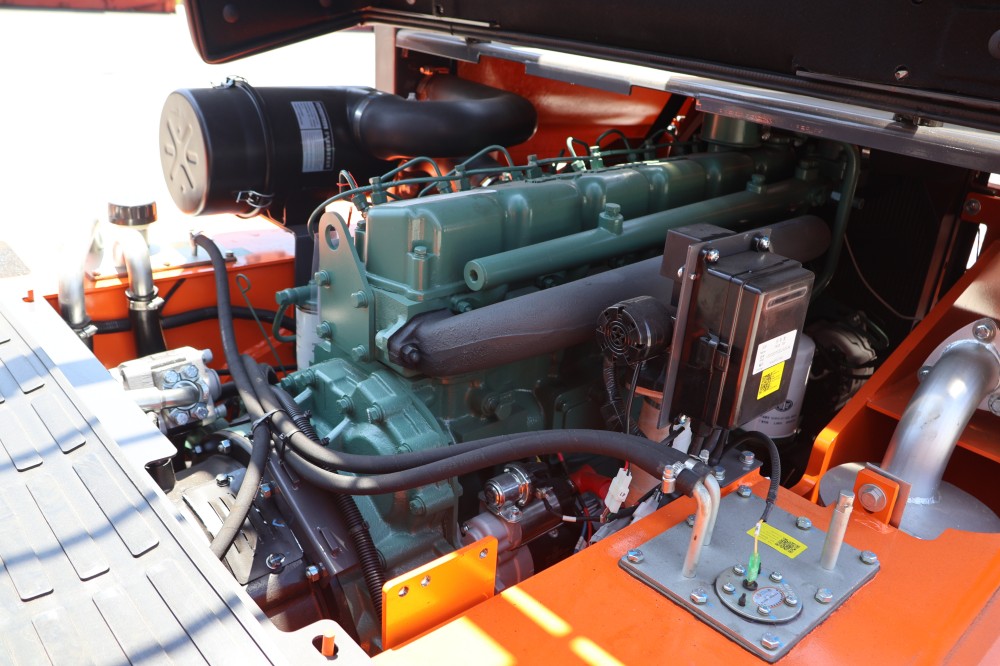
A proper 250-hour service is not just an oil change. It is a structured inspection of the forklift's operating condition, lubrication points, mast and chain system, transmission components, brake system, tire condition, and key fasteners. For electric forklifts, it is also the right time to inspect and clean the battery, electrolyte, connectors, and electrical controls.
First 50-Hour Forklift Maintenance: What Should Be Checked After Initial Use First 50-Hour Forklift Maintenance: What Should Be Checked After Initial Use
Aug .20.2026
Learn why the first 50-hour forklift maintenance is important and what should be checked, adjusted, lubricated, or replaced after the initial running-in period.