

Forklifts are indispensable for moving materials efficiently. They boost productivity by lifting and transporting heavy loads with ease. But understanding basic forklift features is vital for selecting the right model.
Forklift operation relies on several key components. These include forks, the mast, and counterweights. The forklift's design allows it to lift and handle goods safely.
Operating forklifts involves knowing various controls and mechanisms. Understanding lift capacity and center of gravity is essential. This knowledge ensures safe and efficient material handling.
Different forklifts serve diverse functions, driven by various power sources. Here are some common power sources:
Forklifts are grouped into various classifications based on their design and function. Understanding these classifications helps in finding the perfect match for specific tasks.
Each class of forklift is suited for particular environments and applications. This targeted approach ensures efficiency and safety in diverse settings.
The Industrial Truck Association classifies forklifts into multiple classes. These range from Class I to Class VII, covering electric to rough terrain models. Each class has its own features and operational capabilities.
Here are the seven classes of forklifts:
Forklifts come in diverse models, each tailored for specific tasks. The main types include electric, diesel, rough terrain, and warehouse forklifts. Each type offers unique benefits and suits different environments.
Here’s a closer look at these primary forklift types:
Choosing the right type is crucial for operational success and efficiency.
Electric forklifts are known for their quiet operation and zero emissions. They are popular in indoor environments such as warehouses and retail centers. Running on batteries, they require charging infrastructure, which is a consideration for operational planning.
These forklifts are suitable for environments where air quality is crucial. They also generate less noise, making them a preferred choice for places where sound is a concern. Operators benefit from a comfortable and pollution-free workspace.
Key features of electric forklifts include:
Electric forklifts are gaining popularity due to their eco-friendly nature. They represent a commitment to sustainability, aligning with green initiatives. Companies opting for electric models may also find incentives in certain jurisdictions.

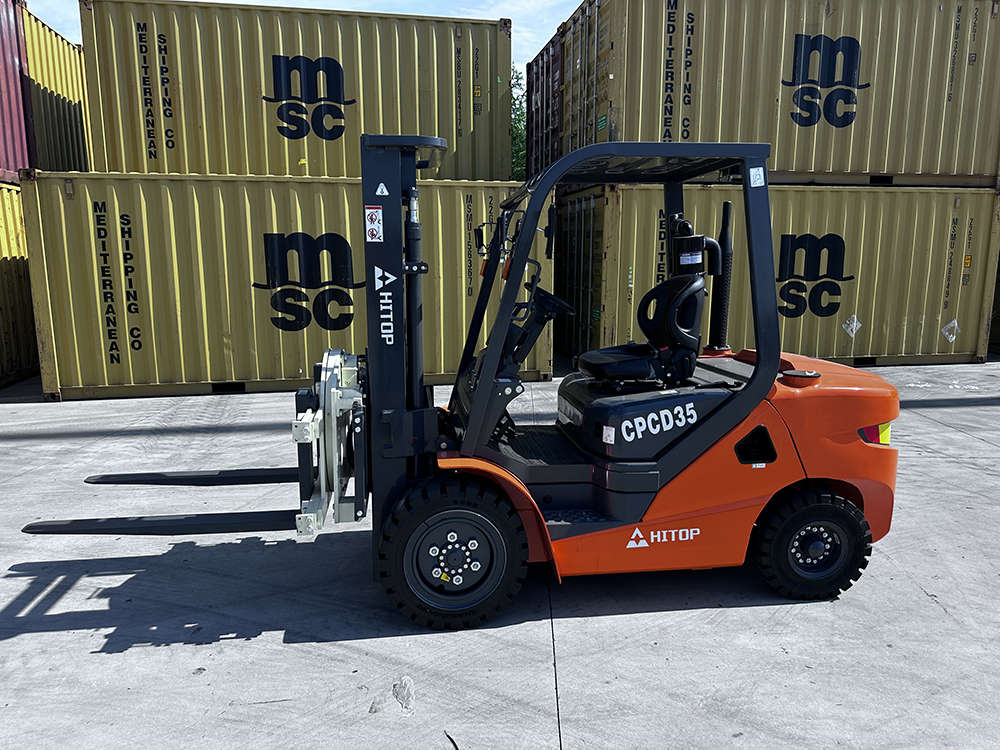
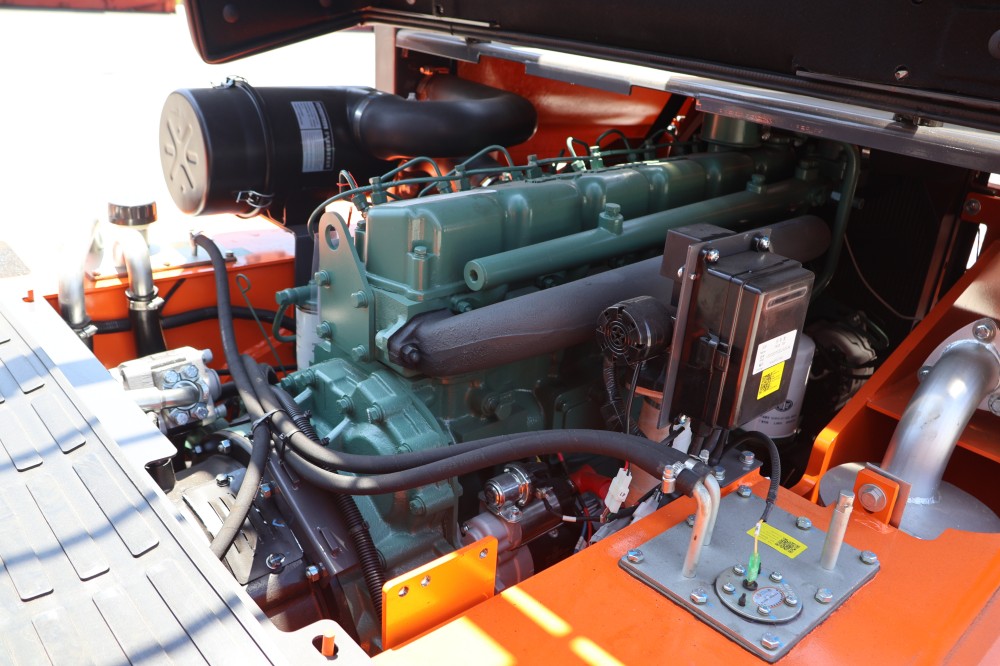
Diesel forklifts are favored for their robust performance and high torque. They excel in outdoor settings and handle challenging tasks with ease. These forklifts are equipped to tackle heavy loads and rough terrain.
Their strong engines allow them to perform well in harsh conditions. As a result, they are often used in construction sites and large-scale outdoor operations. However, they are not ideal for indoor environments due to emissions.
Notable diesel forklift features include:
While diesel forklifts offer power, they require regular maintenance. Fuel storage and emissions regulations should also be considered. Overall, they are a solid choice for rigorous applications needing strength and durability.

Rough terrain forklifts are engineered to conquer uneven surfaces. They are perfect for off-road sites, such as construction zones and agricultural fields. Their large tires and enhanced stability make them reliable on bumpy terrains.
These forklifts possess the capability to transport heavy loads securely. Enhanced traction and balance allow operators to maneuver through uneven areas with confidence. Their rugged design supports operations in demanding conditions.
Rough terrain forklift highlights:
Despite their robust nature, regular servicing is necessary to maintain performance. Operators should ensure proper training to handle challenging landscapes safely. Proper usage can significantly boost productivity on off-road work sites.
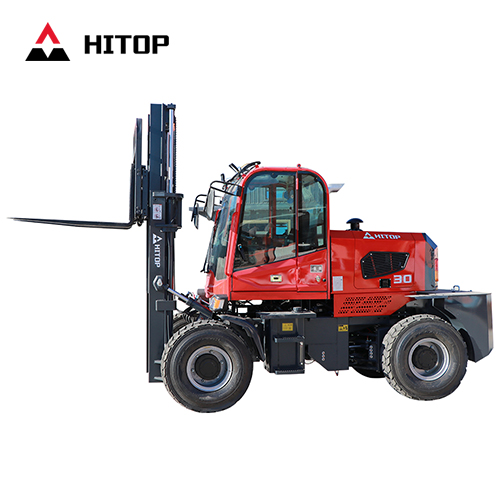
Warehouse forklifts are integral for indoor storage facilities. Their design emphasizes maneuverability, allowing operators to navigate narrow aisles. These forklifts streamline storage and retrieval tasks, enhancing warehouse efficiency.
Their compact design optimizes space usage, which is vital in environments with limited room. Operators can easily manage palletized loads, making them indispensable for logistics and distribution centers.
Key features of warehouse forklifts include:
Safety and ease of operation remain top priorities in their design. Regular checks and maintenance help sustain their efficiency. With proper use, warehouse forklifts can significantly increase productivity in confined spaces.
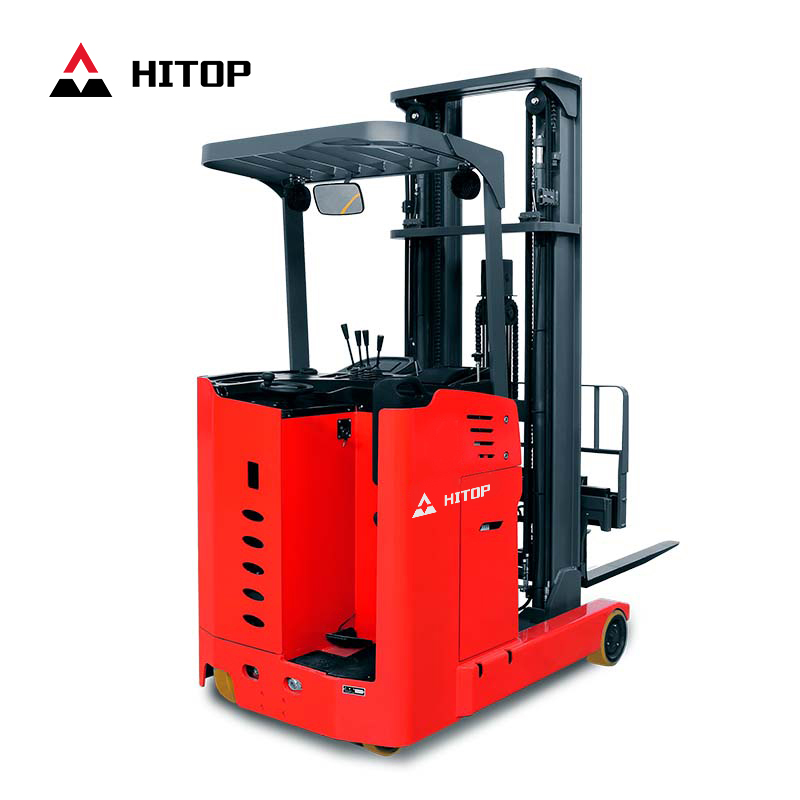
In addition to the primary types, other forklifts offer specialized functions. These include narrow aisle, telescopic forklifts, each serving unique tasks. Their special features facilitate operations in specific environments.
Narrow aisle forklifts maximize space, ideal for compact warehouses. Telescopic forklifts reach high places, perfect for construction and agriculture.
Key characteristics of other forklifts:
Narrow aisle: Space-saving
Telescopic: High reach capability
Each type addresses different operational needs, enhancing efficiency. By selecting the appropriate forklift, businesses can improve workflow and safety.
Choosing the right forklift demands careful evaluation of various factors. It's essential to match the forklift type with your specific operational needs.
Load capacity is a critical consideration. Overloading a forklift can lead to accidents and increased wear. Knowing the weight of typical loads will guide you in selecting a forklift with the proper capacity.
The operating environment also plays a vital role. For indoor settings, consider forklifts with clean energy sources, like electric models. Outdoor environments may require more robust options, such as diesel or rough terrain models.
Lift height requirements should align with your storage or operational demands. Knowing the maximum height needed helps avoid inefficiencies and ensures safety during operations.
Consider the maneuverability needed for your workspace. Tight spaces and narrow aisles call for forklifts with compact designs or specialized types like narrow aisle forklifts.
Key considerations when choosing a forklift include:
Budget is another influencing factor, affecting whether you opt for new, used, or rental forklifts. Thorough analysis of these factors ensures you select a forklift that enhances operational productivity and safety.
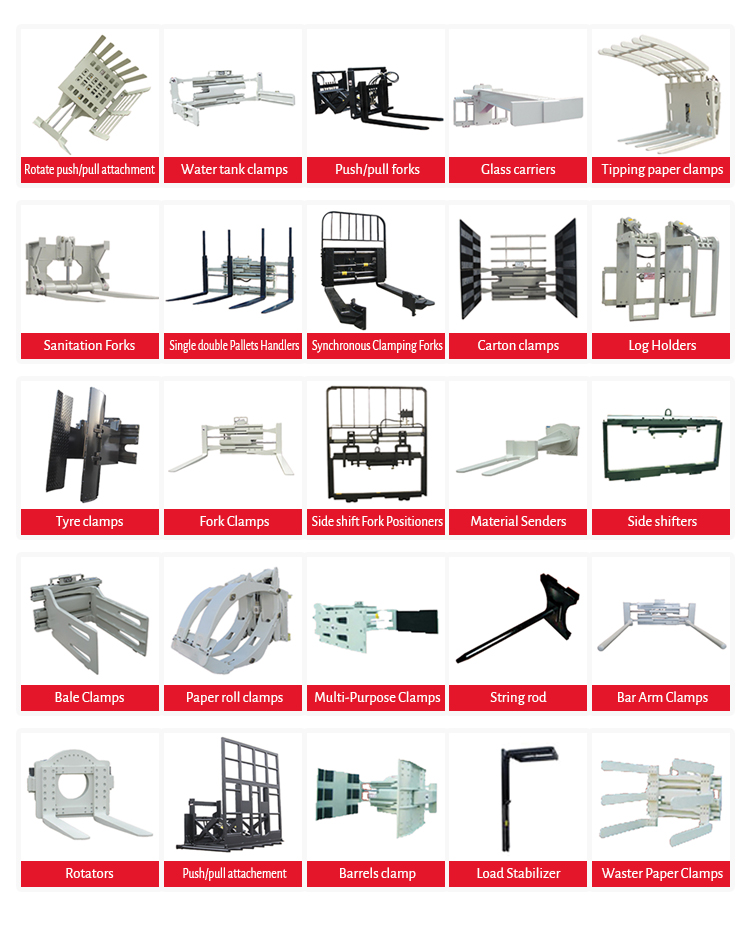
Forklift versatility is greatly enhanced by its ability to accommodate various attachments. These attachments allow forklifts to perform specific tasks more efficiently.
Common attachments include side shifters, which aid in precise load positioning. Fork positioners adjust fork distances, making it easier to handle varying load sizes. Other popular attachments include rotators for dumping materials and clamps for handling non-palletized goods.
Key forklift attachments:
Customization options extend beyond attachments. Operators can tailor their forklifts for comfort, efficiency, and specific tasks. This personalization optimizes performance for your unique operational demands.
Investing in a forklift requires careful financial planning. Choosing between a new or used model significantly impacts your budget.
New forklifts offer the latest features and warranties. Meanwhile, used forklifts are budget-friendly but may require more maintenance.
Leasing and renting are viable for short-term needs, offering flexibility without the commitment of ownership. Each option's total cost depends on usage, maintenance, and duration.
Key factors to consider:
Analyze these aspects to make an informed decision that aligns with your operational goals and financial constraints.
Choosing the right forklift requires careful consideration. Each type of forklift offers unique benefits tailored to specific tasks and environments.
Assessing your operation's needs and understanding forklift features are crucial. With informed decisions, you enhance efficiency and safety, ensuring long-term productivity. Make a choice that aligns well with your operational goals.
 What to Check When Your New Forklift Arrives
 250-Hour Forklift Maintenance: What to Check After the Second Service Interval
 First 50-Hour Forklift Maintenance: What Should Be Checked After Initial Use


