What is the Technical Direction of Explosion-Proof Forklifts
Views : 880
Update time : 2022-12-07 15:59:12
There is a certain gap between my country's early explosion-proof forklift technology and foreign countries. The main problems are: some product safety performance and hygiene indicators cannot meet the standard requirements; product reliability is poor, early failure rate is high; operating performance is unstable; special forklift research and development capabilities are insufficient , According to different loading and unloading objects and working conditions, there is a lack of corresponding development.
Therefore, according to different production environments, it is very important to adopt different explosion-proof technologies for vehicles, especially in special working environments, to eliminate hidden dangers. When handling goods in flammable and explosive environments, explosion-proof technology must be of high quality.
According to the current technological development at home and abroad, the new direction of explosion-proof forklift technology in the newera is as follows:
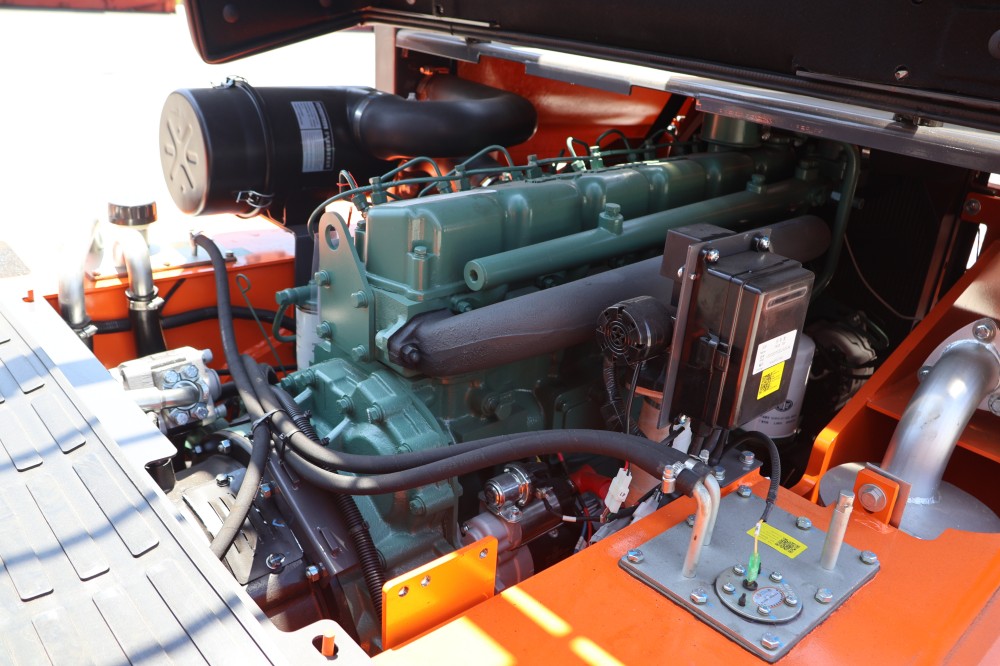
1. Install flame arresters and exhaust spark eliminators in the intake and exhaust systems of diesel engines; control the surface temperature of the vehicle and the exhaust temperature of the diesel engine so that it does not exceed the temperature group value specified for explosion-proof forklifts;
2. Forklift starter motors, batteries, switches, instruments and other electrical components take explosion-proof protection measures to eliminate or control arcs and sparks;
3. Adopt anti-static belts, tires, non-metallic fans, forks, and adopt anti-collision and spark measures for the body;
4. Adopt an independent automatic control system for over-temperature, over-speed and leakage protection;
5. Effectively monitor the concentration of explosive mixtures in the work area.
6. For the explosion-proof of National IV emissions and forklifts with turbocharger devices, modification requirements must be made according to the requirements of the explosion-proof grade.
Explosion-proof forklift is a high value-added, high-tech product. In order to surpass the international level, Chinese explosion-proof forklift companies must not only maintain the same number and scale as foreign forklift manufacturers, but also accelerate the pace of explosion-proof technology and innovation.

 250-Hour Forklift Maintenance: What to Check After the Second Service Interval
 First 50-Hour Forklift Maintenance: What Should Be Checked After Initial Use
 Forklift Daily Maintenance Checklist: What to Inspect Before Every Shift


